A pickup reaction works because the driver has time to notice, think and respond. This Hit the Road Dude AI prompt guide focuses on that sequence: one readable look, one pause and one original send-off. It is a timing plan for a new fictional performance, not a transcript or a promise of exact lip sync.
Build the joke around one change of expression
Start by deciding what changes for the driver. Perhaps an off-camera visitor asks for a shortcut; perhaps somebody assumes the flower-farm entrance is free parking. The driver moves from mild curiosity to disbelief, then gives a short, friendly dismissal. That small change is enough to carry the scene.
Avoid asking for a second character, several camera cuts, a vehicle departure and a long speech in the same take. Each added action competes with the facial reaction. Keep the visitor off camera and let a single invented adult driver carry the exchange.
Give each beat room in a 15-second take
Use the opening to establish the window and the driver. Let the middle hold the skeptical pause before the gesture. Reserve the end for a brief original line and a final look. The following timings are creative direction; a generated take may not follow them precisely.
| Suggested time | Performance direction |
|---|---|
| 0–3 seconds | Notice the off-camera visitor; keep the framing steady. |
| 3–7 seconds | Pause, glance toward the visitor and let the expression change. |
| 7–12 seconds | Use one relaxed send-off gesture and a short original line. |
| 12–15 seconds | Hold the final look; leave the ending readable. |
Write an original line that belongs to the setting
A useful line refers to something viewers can understand from the picture. A roadside diner suggests a parking joke; a mountain overlook suggests a shortcut. Let the place do some of the explanation, so the driver can finish in one sentence.
For example, a fictional farm driver might say, “The flowers are for sale. The parking spot is taken.” Treat this as new dialogue direction. Do not request the original participant’s voice, impersonate a real person or assume a specific sentence will be reproduced exactly.
A compact direction to adapt
Choose a scene in the creator, then add a focused direction rather than repeating every output setting. The site supplies its standard reaction setup. Use this sample as your own creative direction and change the place or line to fit your character.
Suggested creative direction
One fictional adult driver at an open pickup window. Notice an off-camera visitor, hold a skeptical pause, then make one relaxed gesture toward the road. Use the original line: “The flowers are for sale. The parking spot is taken.” Keep a steady three-quarter close shot, natural ambience and a dry final look. No second visible character, captions or copied voice.
Use the published examples as rhythm references
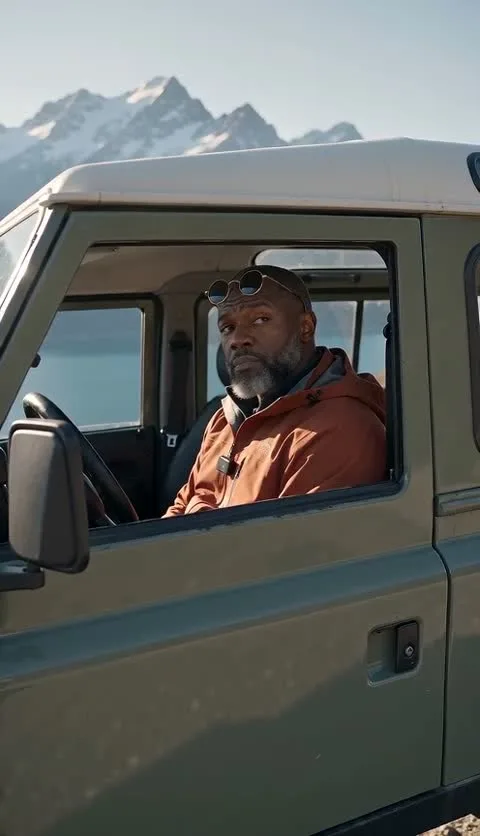
Watch the mountain-shortcut demonstration for its notice–pause–gesture sequence. It is an original 10-second, 480p concept clip. Its complete recorded prompt is on the watch page; the standard customer attempt is 15 seconds at native 720p. The demonstration illustrates a direction, not a guaranteed customer result.
If the first take feels rushed, simplify one thing on the next attempt: shorten the line, reduce the gesture or remove a background action. Keep the other choices steady so you can judge the difference. Each completed, approved take is a separate attempt.
Review the whole result before sharing
Play the approved video with sound and look at the opening, the spoken line and the ending. Check that the gesture is harmless and the joke still makes sense if the wording varies. Generated faces, hands, timing and audio can change. The creator’s quote and displayed task state are the place to check the current generation and delivery conditions.